Parts salvage value is the resale value of usable components we can remove and sell from a vehicle, and we include that estimate when we give you a cash offer. In practice we inspect the car for high value parts, check local demand and prices, and combine parts value with scrap metal and whole vehicle considerations to reach a transparent offer.
What parts salvage value means
When a car is beyond regular sale, many individual components still have value. Engines, transmissions, catalytic converters, airbags, alternators, and body panels can be sold to repair shops, used parts buyers, or recycled for metals. The parts salvage value is the estimated resale amount for those components after removal, testing, and any minor refurbishment.
How we estimate parts salvage value
We use a consistent, practical approach so our offers reflect real local prices.
- Visual inspection. We look for obvious, high value parts and overall condition, and note things like rust, collision damage, and missing components.
- Vehicle identification. We record the year, make, model, engine type and VIN to check part compatibility and common demand.
- Market check. We reference recent local sales for used parts and scrap metal prices in Monmouth, Ocean and Burlington counties to estimate demand.
- Labor and logistics. We deduct reasonable removal, storage and processing costs so the parts estimate reflects net value, not just retail list prices.
- Combined offer. We add estimated parts salvage value to the vehicle scrap value and any wholesale resale value, then present a single cash offer for the car as a whole.
Factors that most affect salvage value
Some factors matter more than others. We explain each so you know what to expect.
- Make and model, because common or popular models have higher parts demand.
- Age and mileage, which affect the likely life left in mechanical parts.
- Specific components present, especially catalytic converters, transmissions and complete engines.
- Condition, including corrosion, flood or collision damage that can make parts unusable.
- Title and paperwork, since clear titles speed resale and certain parts buyers require documentation.
- Local demand and seasonality, because nearby repair shops and salvage buyers influence price.
- Regulatory requirements, for example how catalytic converter transfers are tracked in New Jersey.
Our typical process when parts salvage value matters
We handle the whole transaction so you do not need to coordinate multiple buyers or arrange separate pickups.
- Quick intake. You tell us the vehicle details, or we collect them on site.
- On site assessment. A live representative inspects the car and identifies salvageable parts and the overall salvage condition.
- Firm offer. We present a single cash offer that reflects parts salvage value plus scrap and resale considerations. For many vehicles we can pay on the spot for qualifying cars.
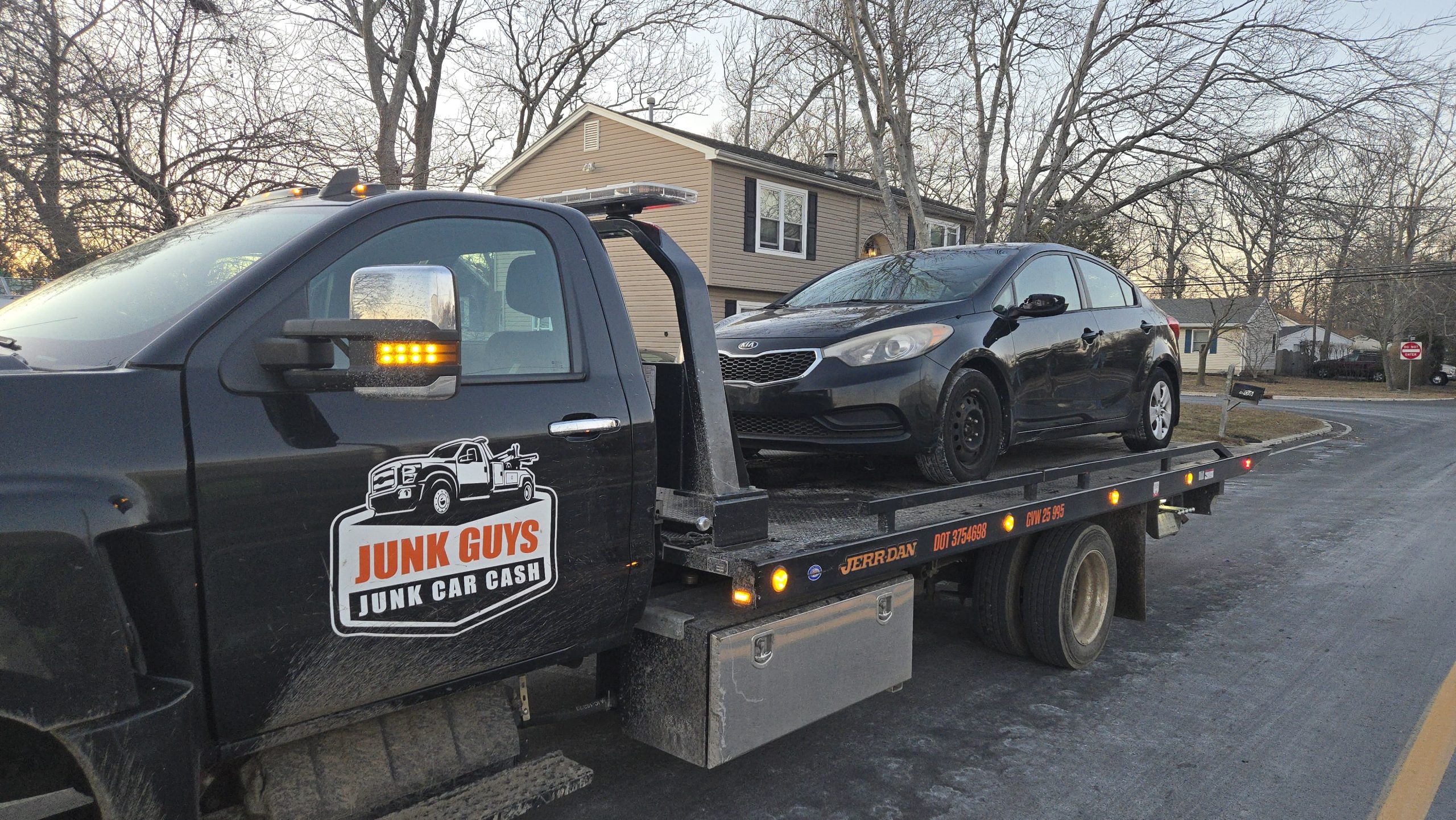
- Pickup and paperwork. We handle towing at no added cost and the necessary paperwork to complete the sale and transfer ownership.
- Parts processing. After pickup we remove, test and inventory parts for resale or recycling through our wholesale and recycler networks.
We operate from Farmingdale, New Jersey and cover Monmouth, Ocean and Burlington counties, including nearby towns along the Jersey Shore.
What parts typically bring the most value
Certain parts repeatedly account for a large share of salvage value.
- Catalytic converters, due to metals they contain and strict resale channels.
- Complete engines and transmissions that are intact and not heavily damaged.
- Airbags and control modules, which repair shops sometimes need for collision repairs.
- Electronics and sensors from later model vehicles, including control units and navigation components.
- Body panels and glass from popular models where matching parts are in demand.
When parts salvage value lowers the cash offer
There are situations where parts value is low or costs to recover parts make removal uneconomical.
- Severe rust or corrosion that destroys mounting points.
- Flood damage that contaminates electronics and upholstery.
- Missing or heavily damaged major components that buyers cannot repair.
- Bodies that are collapsed or crushed where removal would be time consuming.
Watch out: If removing parts requires major disassembly or costly transport, those recovery costs reduce the parts salvage estimate. We factor those costs into our offer so there are no surprises.
How title and paperwork affect parts resale
Many parts buyers and recyclers require clear transfer documentation for regulatory and ownership tracking. That affects the pace and price at which parts move through wholesale channels. If you do not have a title, we accept some vehicles without a title, but paperwork can change timing and which buyers we can work with.
For more on how paperwork affects a sale, see our topic on title and paperwork.
What good looks like when you sell a car for parts
As sellers, you should expect clear notes about which parts were identified, a transparent offer that lists the major value contributors, and straightforward pickup logistics. We explain our evaluation on site and include links to related materials so you understand the tradeoffs between selling a vehicle whole versus parting it out.
What to have ready before we inspect the car
- Basic vehicle details: year, make, model and VIN if available.
- Any known mechanical issues or recent accident history.
- Clear title if you have it, or notes about missing paperwork.
- Access instructions for the vehicle location and any safety considerations for pickup.
How local markets in Jerseyville and the Jersey Shore affect value
Local demand matters. Proximity to repair shops and salvage buyers in Monmouth and Ocean counties moves parts faster and can raise prices for in demand components. We price with those market realities in mind, and our experience across towns such as Asbury Park, Belmar and Toms River helps us set realistic offers.
If you want a deeper primer on how local market prices influence offers, see our topic on local market prices.
Regulation and best practices
Salvage vehicles and parts resale are subject to state rules on titles and environmental handling. For general guidance on salvage titles in New Jersey, the New Jersey Motor Vehicle Commission provides information for owners and buyers. For industry practices on recycling and parts handling, the Automotive Recyclers Association describes standard procedures used by reputable yards.
We follow industry practices for parts removal and recycling, and we work with licensed partners for environmental disposal when components cannot be reused.
Sources: New Jersey Motor Vehicle Commission on salvage vehicles, Automotive Recyclers Association.
Common questions we hear during parts valuation
Below are frequent practical questions and short answers to help you decide what to do with a vehicle that may have salvageable parts.
- Can I get more by parting a car myself? Often not. Removing parts takes time, tools and market access. We provide a single offer that reflects parts value plus the convenience of quick pickup and handled paperwork.
- Do catalytic converters increase the offer? Yes, converters are high value, but transfers are tracked and must follow state rules.
- Will parts value change between inspection and pickup? Minor shifts can happen with market swings, but we aim to present a firm same day offer when possible.
Related services and pages
For more on options and logistics, review our pages on junk car removal, selling for cash through our cash for cars service, and the dedicated topic page on parts salvage value.
Practical tips before you call a buyer
Pro tip: Take photos of intact high value components, note the VIN, and list any recent repairs. Those details speed our on site assessment and help us identify parts that add to the offer.
If you are in Farmingdale, or nearby towns we serve, our local market experience helps us price parts realistically and arrange prompt pickup.
Frequently asked questions
How do you separate parts value from scrap metal value?
We identify reusable components worth resale and separate those from general scrap metal. Parts value reflects resale potential after testing, while scrap metal value is based on weight and local scrap prices. We combine both in a single offer so you receive one straightforward payment for the vehicle.
Do you buy cars without a title and how does that affect parts resale?
We accept some vehicles without a title. Lack of a title can limit which buyers will accept certain parts, and it can slow resale. We explain any impact during the on site assessment and factor it into the offer.
Will you remove parts myself and pay me for them?
We do not typically pay for individual parts removed by owners before sale. Removing parts yourself can reduce the vehicle value and create safety or disposal issues. We provide an offer for the vehicle as presented and handle removal if you accept.
How long does it take to get an offer?
We usually provide an offer after an on site inspection, often the same day. Our on site representative will explain which parts drive value and how we arrived at the number.
Key takeaway
Parts salvage value comes from the resale potential of usable components, and we fold that value into a single, transparent cash offer. We combine local market knowledge, on site inspection, and established recycling channels to give realistic pricing and handle pickup efficiently in Jerseyville and the surrounding Jersey Shore area.
Final notes and where to learn more
For a deeper look at parts valuation, see our in depth topic on parts salvage value. To understand pickup logistics in our service area from Farmingdale, see our location page for Farmingdale, New Jersey. For related services, review our page on junk car removal.
Want to confirm our local reputation and hours?
Check our Google Business Profile to read customer reviews and get directions. You can also learn more about our services and locations on this site.