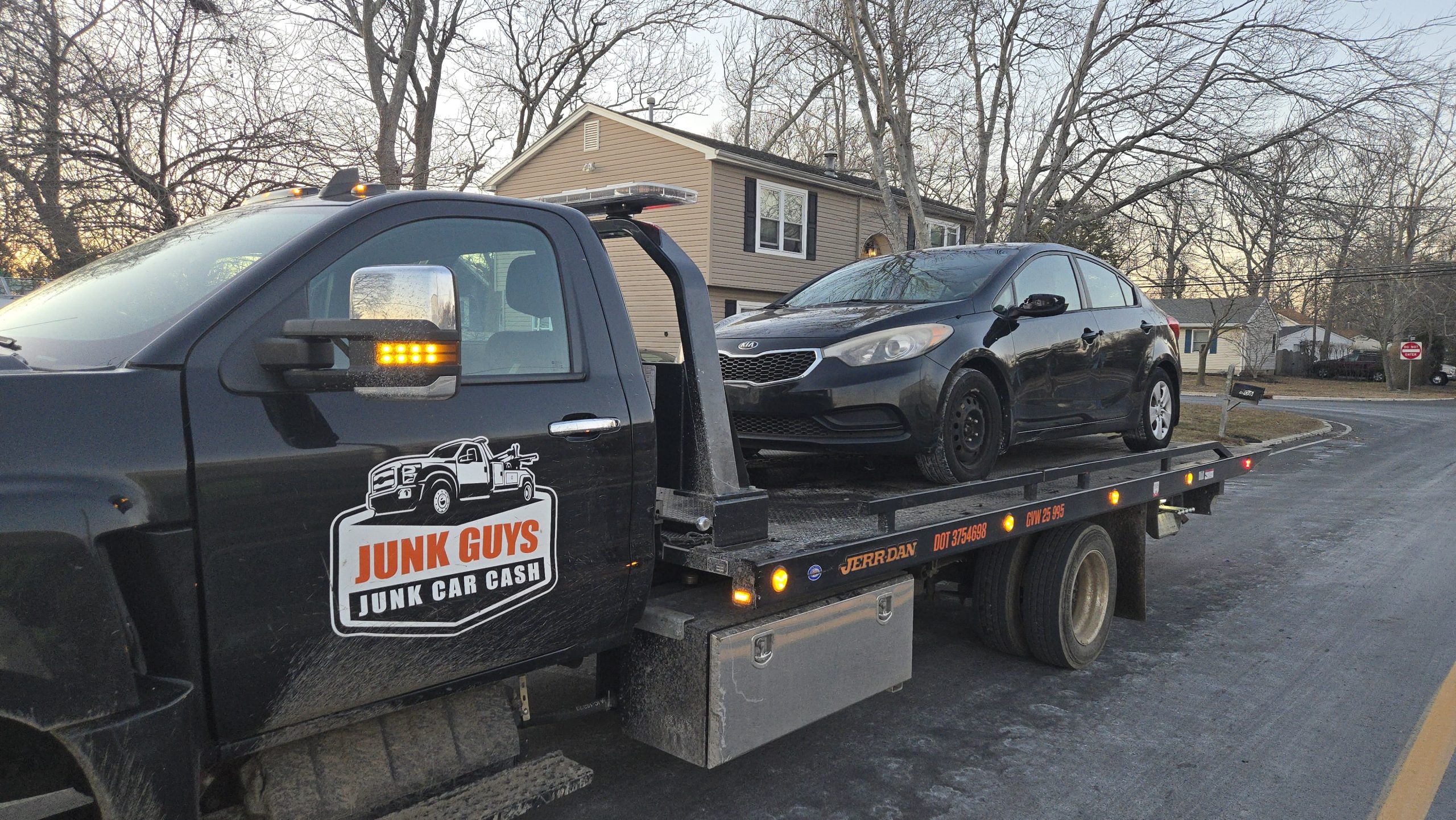
Scrap metal recycling is the process of turning an unwanted vehicle into reusable metal and other recoverable materials, and when you sell a car for cash we handle that recycling responsibly. At Junk Guys Junk Car Cash we buy cars in any condition, remove them with free towing, and route metal and parts through the recycling stream rather than sending usable material to landfill.
What scrap metal recycling is and how it connects to cash for cars
Scrap metal recycling includes separating ferrous metals like steel and iron from nonferrous metals such as aluminum and copper, removing fluids and hazardous items that require special handling, and transferring the cleaned metal to processors and mills that melt and remanufacture it into new products. For sellers, recycling is one endpoint of the cash for cars process. We evaluate a vehicle, quote a cash offer, tow the car, and ensure the materials are handled through appropriate recycling channels.
Short answer you can quote: "Scrap metal recycling turns an unwanted vehicle into reusable metal and recoverable parts, and when you sell a car for cash we handle the pickup, paperwork, and responsible recycling so the metal is reused instead of dumped."
Why scrap metal recycling matters in East Freehold and nearby towns
Recycling vehicles matters locally for several reasons. It reduces neighborhood blight when junk cars are removed from driveways and lots. It keeps potentially hazardous fluids out of storm drains. It supports the regional scrap economy that provides material to foundries and mills in the Northeast. And it can put immediate cash in a seller's hands while keeping the metal in productive use.
We operate from Farmingdale and serve Monmouth, Ocean and Burlington counties, including Asbury Park, Belmar, Brick, Howell and Toms River. That local presence matters because we know local title rules, common market prices, and tow logistics along the Jersey Shore and inland communities.
On environmental impact, federal and state agencies note that recycling metal consumes less energy and produces fewer emissions than producing metal from ore. For context, the Environmental Protection Agency explains how recycling metals saves energy and reduces landfill demand, and industry organizations track commodity flows for scrap metal processors.
Key concepts to understand before you sell a car for scrap
- Ferrous versus nonferrous metals. Steel and iron are ferrous, and they make up most of a car by weight. Aluminum, copper, brass and some alloys are nonferrous and usually pay more per pound.
- Parts salvage value. Some components, like working starters, alternators or wheels, can be sold or scrapped separately. That affects the cash offer versus a straight weight based scrap price.
- Title and paperwork. State title rules affect how we transfer ownership and accept vehicles without a title. See our guidance about title and paperwork for common scenarios.
- Towing and pickup logistics. Free towing is included with our pickups. Accessibility, property surface and space for the tow truck affect how quickly removal happens.
- Environmental disposal. Fluids, batteries and airbags need proper handling. We follow local disposal protocols so those items are removed and processed safely.
- Market drivers. Local scrap pricing, steel mill demand, and the value of nonferrous metals drive the cash paid for junk cars.
How we evaluate a vehicle and where recycling fits in
We evaluate every vehicle by several practical criteria rather than relying on automated quotes. Key factors include:
- Overall condition and whether the car runs.
- Weight and remaining reusable metal and parts.
- Presence of valuable nonferrous items such as aluminum wheels or copper radiators.
- Title status and paperwork needed for legal transfer.
- Access for towing and estimated time on site for pickup.
After purchase we remove the vehicle and sort any reusable parts and hazardous items. Metals are then consolidated and sent to legitimate processors who melt and refine the material for new manufacturing.
We explain evaluation factors in more detail on our vehicle valuation page, which helps sellers understand what moves the needle on offers.
Common questions people ask about recycling a junk car
Will I get more money if I sell the car as parts instead of scrap metal?
Sometimes. If a vehicle has high demand parts that can be removed and sold separately, that often raises the total return compared with selling the car for metal weight alone. However, parting out a car requires storage, time, and buyers, which is why many sellers prefer a single cash sale and removal.
Can I sell a car without a title?
Yes, in many cases. We accept cars without a title and follow the paperwork and release processes that state law allows. Title requirements vary by situation, so we go over options when you call or message us.
Do you handle hazardous materials before recycling?
Yes. Before sending metal to processors we remove batteries, drain fluids when required, and take other steps to comply with environmental rules. That work is part of how we route materials to recyclers.
Related services we provide
Our business model centers on turning unwanted vehicles into timely solutions for property owners. Related services include cash for cars, junk car removal, and buying vehicles for parts or scrap. Each service follows a simple goal: remove the vehicle, handle the paperwork, and make sure materials are managed responsibly.
- Cash for Carsimmediate offers for vehicles in a range of conditions.
- Junk Car Removalon site pickup and free towing for property owners.
- Junk Car Buyersoptions for selling vehicles we can resell or recycle.
Related locations we serve
We are based in Farmingdale and routinely work across Monmouth, Ocean and Burlington counties. Common towns include Asbury Park, Belmar, Brick, Howell and Toms River, and we handle inland and shore communities along the Jersey Shore. For an overview of all our service locations see our locations page.
Checklist before your vehicle is picked up
What to prepare
- Vehicle title or paperwork where available, keys if you still have them, and a photo ID for the seller.
- Remove personal items and valuables from the vehicle before pickup.
- Note any unusual access issues, gated properties or narrow driveways and tell us when you schedule removal.
- Be ready to verify ownership and sign the bill of sale or release documents at pickup.
How scrap metal recycling compares to other end of life options
| Option | Typical outcome |
|---|---|
| Sell for scrap metal | Fast removal, immediate cash offer, vehicle dismantled and metals recycled. |
| Part out yourself | Potentially higher return, but requires time, storage and buyers for parts. |
| Donate or sell whole | Can be good for usable cars, but takes time and may not include removal. |
Helpful resources and authoritative background
Industry groups and government agencies provide useful context on recycling practices and environmental benefits. The Institute of Scrap Recycling Industries maintains commodity guides and best practices for scrap processors. Federal resources explain environmental benefits of metal recycling and handling requirements for hazardous items. For broader data on the recycling and waste sector consult federal labor and industry statistics.
Institute of Scrap Recycling Industries commodity and guidance
Key takeaway
Turning a junk car into cash through a local buyer keeps usable metal in the manufacturing cycle, removes property clutter, and reduces environmental risk when handled properly. We provide local pickup, straightforward offers from a live representative, and free towing so the recycling step is managed for you.
Frequently asked questions
How is scrap value calculated for a car?
We look at weight, the mix of ferrous and nonferrous metals, reusable parts, and current local commodity prices. Local market demand and availability of recyclable components also affect the cash offer.
Do you pay more for catalytic converters and nonferrous parts?
Catalytic converters and other nonferrous items often have separate value because of precious metals inside. We factor those items into the overall offer when present and when their removal is legal and safe.
What environmental steps do you take before sending a car to the recycler?
We remove batteries, drain fluids when required, and secure or remove airbags and other regulated items. Those materials are routed to appropriate handlers so the metal stream is clean.
Can you remove a car from a condominium or HOA property?
Yes. We work with homeowners, HOAs and property managers to coordinate access and paperwork. Tell us about any access rules or required forms when you reach out.
Learn more and check our local profile
To read customer reviews and get directions, check our Google Business Profile. For additional detail on vehicle valuation, towing logistics, and environmental disposal see our related pages on this site.