Wholesale networks are the channels that buy and move junk or salvage vehicles in bulk, and they directly shape the price, timing, and paperwork you see when you sell a junk car. In short, wholesale networks are not retail buyers; they are buyers and brokers who move many vehicles at once to dismantlers, auction houses, scrap processors, or export brokers.
How wholesale networks affect the cash you get
When we buy a car through a wholesale network, the offer reflects how the vehicle will be handled after pickup. Networks prioritize volume, transport efficiency, and salvageable value. That means condition, parts value, transport distance, and title status matter more than retail appeal.
Primary pricing drivers
- Condition and completeness, including whether the engine, transmission and catalytic converter are present.
- Parts salvage value for in demand components such as alternators, starters, and body panels.
- Scrap metal weight and current local scrap prices.
- Transport logistics, including whether multiple vehicles can be collected on one route.
- Clear title or acceptable paperwork and how quickly we can transfer ownership.
We use those factors when we prepare offers for Cash for Cars purchases. If you want a deeper look at how we value vehicles, see our Vehicle Valuation Factors topic page.
Internal links in this paragraph: Cash for Cars, Vehicle Valuation Factors, Freehold, New Jersey.
Who belongs to a wholesale network
Wholesale networks include several types of buyers and channels that work together to move vehicles off property fast.
- Auction houses that sell salvage and repairable cars to dealers and rebuilders.
- Salvage processors and dismantlers who salvage parts and recycle metal.
- Export brokers who buy in bulk for foreign markets.
- Regional scrap yards accepting load lots from local collectors.
Those relationships matter to us because they determine where a vehicle goes after we buy it, and that affects the offer we make and how quickly we can clear your property.
Common misunderstandings we see about wholesale networks
We hear the same misconceptions from sellers in Freehold and surrounding towns. Clearing these up helps you set realistic expectations.
- Misconception: Wholesale means lowball offers for every car. Reality: Offers reflect true salvage and parts value, plus hauling costs and paperwork. A mostly complete vehicle with useful parts will get more than a stripped hulk.
- Misconception: All wholesalers pay the same. Reality: Different networks buy for different end uses. A buyer supplying a dismantler may pay more for parts rich cars than a buyer selling by weight to a scrap mill.
- Misconception: Wholesale offers ignore title problems. Reality: Title status affects the pool of buyers who can accept a vehicle and that changes the offer. We accept cars without a title in many cases, but paperwork options vary.
How wholesale networks change pickup timing and logistics
Because wholesale buyers move many cars at once, pickups are scheduled to match truck routes and lot space. That often makes same day removal possible when the vehicle fits a route, and slower when it does not.
What we consider when scheduling pickup
- Whether the vehicle is running or needs winching.
- Other pickups in the same neighborhood that day.
- Tow truck availability and free towing policies.
- Permits or access constraints for tight driveways or gated properties.
We coordinate those details for sellers across Monmouth, Ocean and Burlington counties including Asbury Park, Belmar, Brick, Howell and Toms River. If logistics are a primary concern, our Tow And Pickup Logistics page explains common constraints and what to expect.
Internal link in this paragraph: Tow And Pickup Logistics.
How wholesale networks affect paperwork and title handling
Wholesale channels expect clear transfer of ownership to avoid legal and environmental risk. Different networks accept different paperwork, and that affects how quickly we can complete a sale.
Paperwork scenarios and their effect
- Clear title in hand speeds payment and transfer to the buyer network.
- Missing title often routes the vehicle toward scrap processors; we document chain of custody and proof of ownership methods when allowed.
- Salvage branded or rebuilt titles can limit which buyers will purchase the vehicle, reducing the number of competing offers.
We cover title and paperwork topics in more detail on our Title And Paperwork page so sellers know which documents speed transactions.
Internal link in this paragraph: Title And Paperwork.
Pro tip: Remove personal items and note any missing parts before we inspect the vehicle. That shortens inspection time and reduces questions from wholesale buyers.
What good looks like when we work with wholesale networks
When we handle a sale through a wholesale channel, good outcomes include clear transfer, fair offer relative to salvage value, and a smooth pickup. We focus on three repeatable signals that produce good results.
- Accurate condition reports with photos and honest descriptions.
- Available or documentable title or ownership proof.
- Reasonable access for tow trucks, including space for a flatbed or winch operation.
We combine live offers from our team with those signals to keep the process fast and transparent. Learn more about preparing for pickup on our Preparing For Pickup page.
Internal link in this paragraph: Preparing For Pickup.
Seller checklist before we evaluate a wholesale offer
- Take dated photos showing whole vehicle and key damage areas.
- Gather title or any ownership documents you have.
- Make a short list of missing parts or security systems that could block towing.
- Clear the vehicle of personal items.
How to tell whether a buyer uses wholesale networks
Not every buyer participates in the same networks. We recommend asking three practical questions to any buyer and using the answers to compare offers.
- Where does this vehicle go next. If they sell to dismantlers or parts yards locally, parts value may be higher than offers tied to scrap weight.
- Who pays for towing and when. Some buyers include free towing on local pickups; others deduct hauling if routes are long.
- How is payment handled on site. Buyers who pay on site for qualifying vehicles reduce your wait time and paperwork backlog.
Watch out: If a buyer is vague about where a car goes next or refuses to document the transfer, that increases your risk. We document transfers and explain next steps so sellers can check references and avoid problems.
When a wholesale network is the right choice
Wholesale channels are often the best route when the vehicle is damaged, non running, missing major parts, or is clearly a salvage candidate. They excel at clearing multiple vehicles quickly and moving cars that lack retail value.
That makes wholesale a common path for homeowners, property managers, small businesses, and fleet managers who need fast, low friction removal. As Junk Guys Junk Car Cash we work with these networks regularly to offer fast removal across our service area from Farmingdale, New Jersey to the Jersey Shore towns we serve.
How we fit into wholesale networks as your local buyer
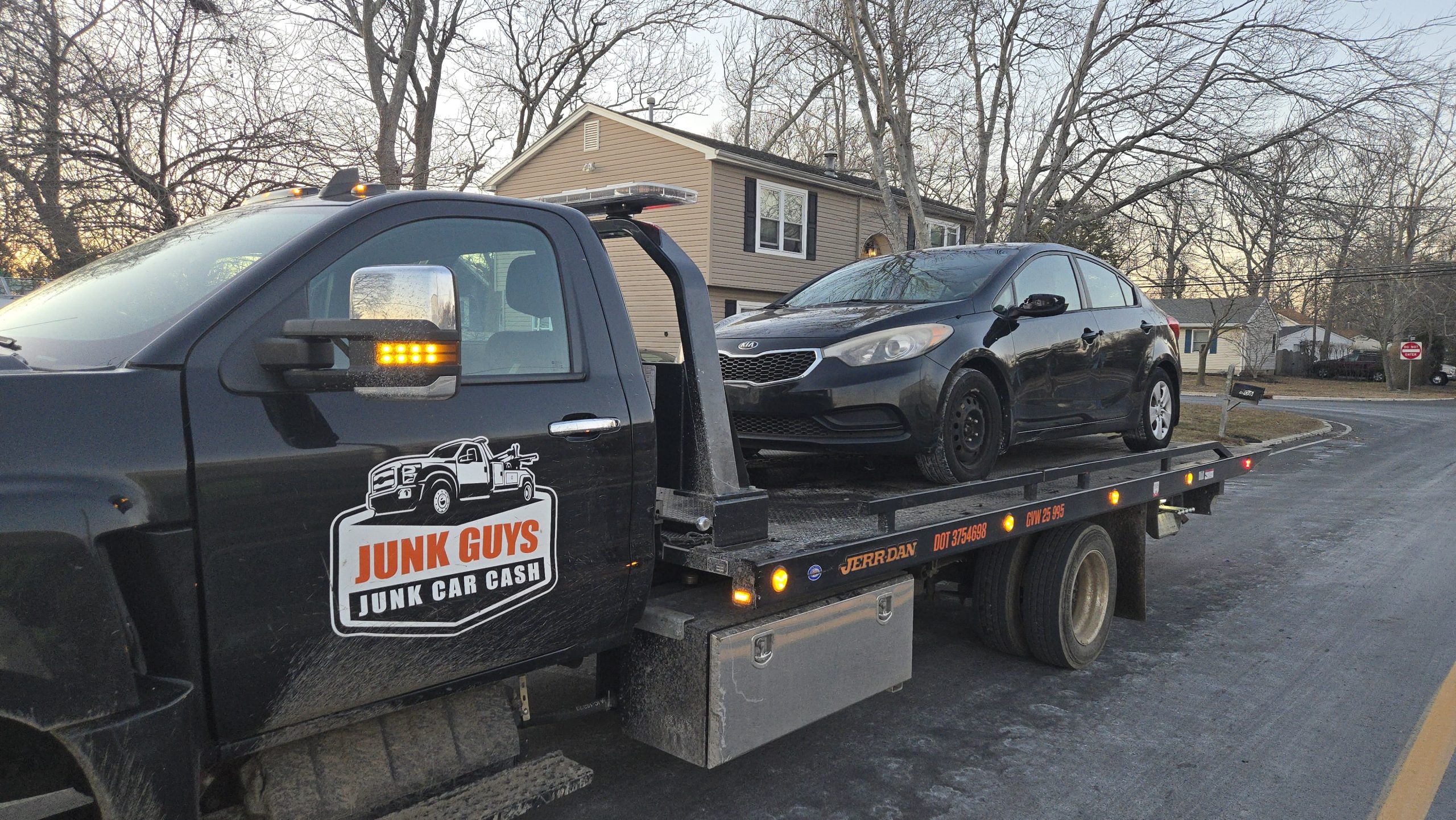
We buy vehicles in any condition, running or not, and we stage them for the best wholesale channel. We provide cash offers from a live representative instead of automated quotes and include free towing on pickups when the vehicle qualifies. For good running vehicles we provide on the spot cash payment, and we also accept scrap and unwanted cars without a title in many cases.
Because we operate locally from Farmingdale and serve Monmouth, Ocean and Burlington counties, we can match vehicles to nearby dismantlers, auctions and scrap processors, which reduces transport cost and often improves the offer compared with a non local buyer.
Key takeaway
Wholesale networks are how volumes of junk and salvage vehicles are moved to dismantlers, auctions and scrap processors. Knowing how they value condition, parts, title status and logistics helps you set realistic expectations when selling your car for cash in Freehold New Jersey.
Frequently asked questions
What exactly is a wholesale buyer?
A wholesale buyer purchases vehicles in bulk for resale, dismantling, recycling or export. They work with auction houses, dismantlers and scrap yards rather than retail consumers, and they price vehicles based on salvage and parts value plus transport costs.
Will using a wholesale channel lower my offer?
Not always. If a car has salvageable parts or is heavy in recyclable metal, wholesale buyers may pay competitively because they can move many vehicles efficiently. The key is matching the car to the buyer whose end use maximizes value.
Can I sell a car without a title to a wholesale buyer?
Yes, in many cases we accept scrap or unwanted cars without a title. Acceptable procedures depend on the buyer and state rules. We document ownership transfer methods and explain what paperwork will work for your vehicle.
How fast can a wholesale network clear my property?
Pickup timing varies with route planning and truck availability. Because wholesale buyers collect by route, pickups can be same day when the vehicle fits a scheduled route, or a few days when it does not. We aim to minimize wait time by coordinating with local networks.
How do I compare offers from different buyers who use wholesale networks?
Compare what each offer includes: net payment after any hauling fees, who pays for towing, required paperwork, and pickup timing. Also ask where the vehicle will go next, which affects the likely resale or salvage value.
Where to learn more and check our local profile
Read local reviews and directions on our Google Business Profile to see how we work in Freehold and nearby towns. For more on how we value cars, explore our topics on wholesale networks and vehicle valuation, or review our Cash for Cars service page to learn how the process works.